Tunisia in transition
Tunisia’s democratic transition came to an abrupt end in the summer of 2021 with the “self-coup” of President Kais Saied. Saied’s consolidation of power brought substantial changes to the political and juridical organization of the country. Shifts of a social and economic nature, be they designed or not, were introduced as well.
This project tries to make sense of Tunisia’s present moment. It does so through a two-pronged approach. Through expansive research operations, we are helping build the knowledge base on the Saied era: Interrogating everything from debt management and electoral system design to migration policy and race relations, our efforts reveal all the factors shaping life conditions in Tunisia today. Through collaborations with local and international media and the convening of conferences and stakeholder meetings, the project likewise ensures that research contributes to public education and policy discussion.
Publications
-
Middle East & North Africa
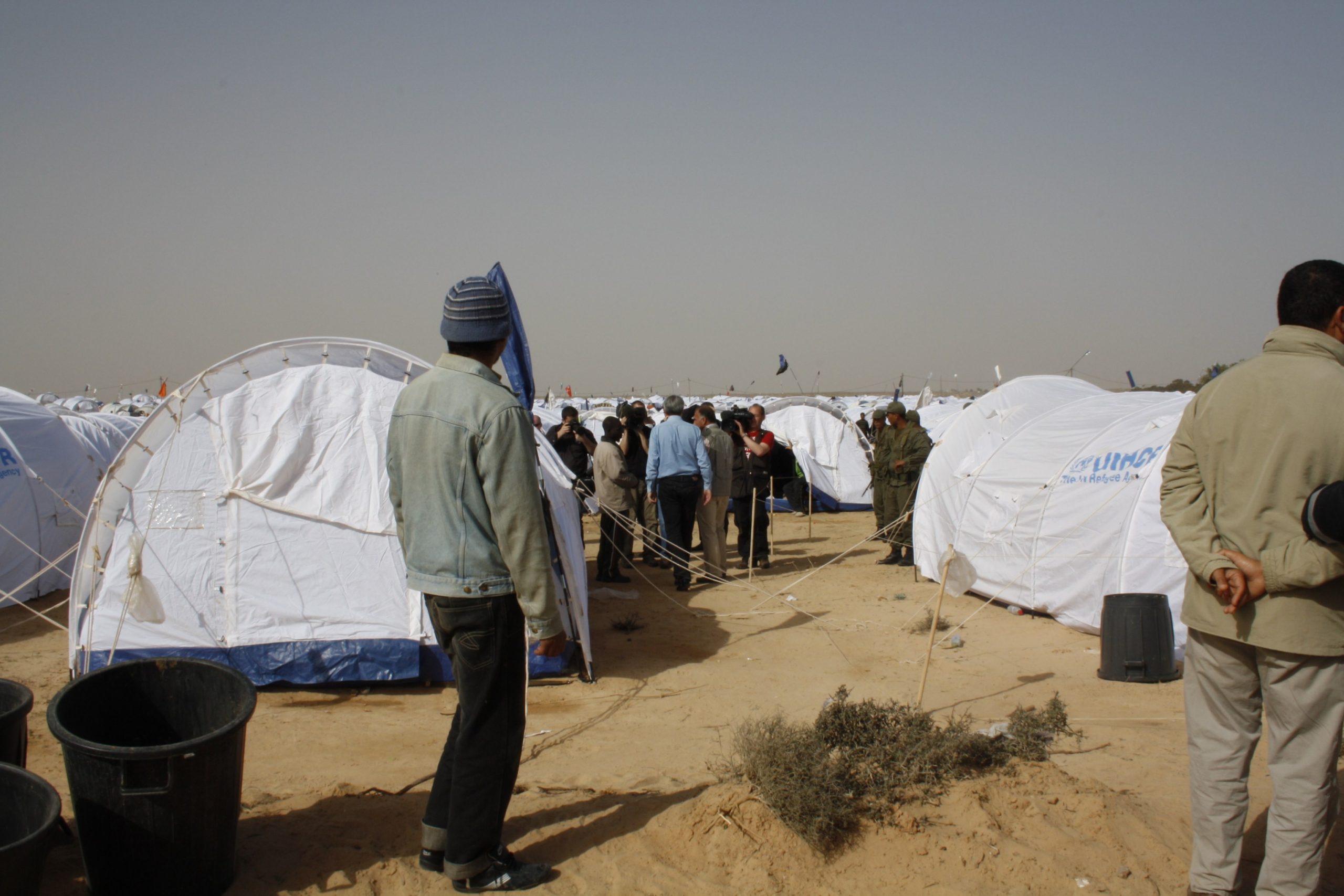
Sub-Saharan African Migrants in Tunisia: Geo-Racialized Security and the Local Revival of Antiblackness
-
Middle East & North Africa
Gendered Impact of Austerity Measures on Public Services in Tunisia
-
Middle East & North Africa
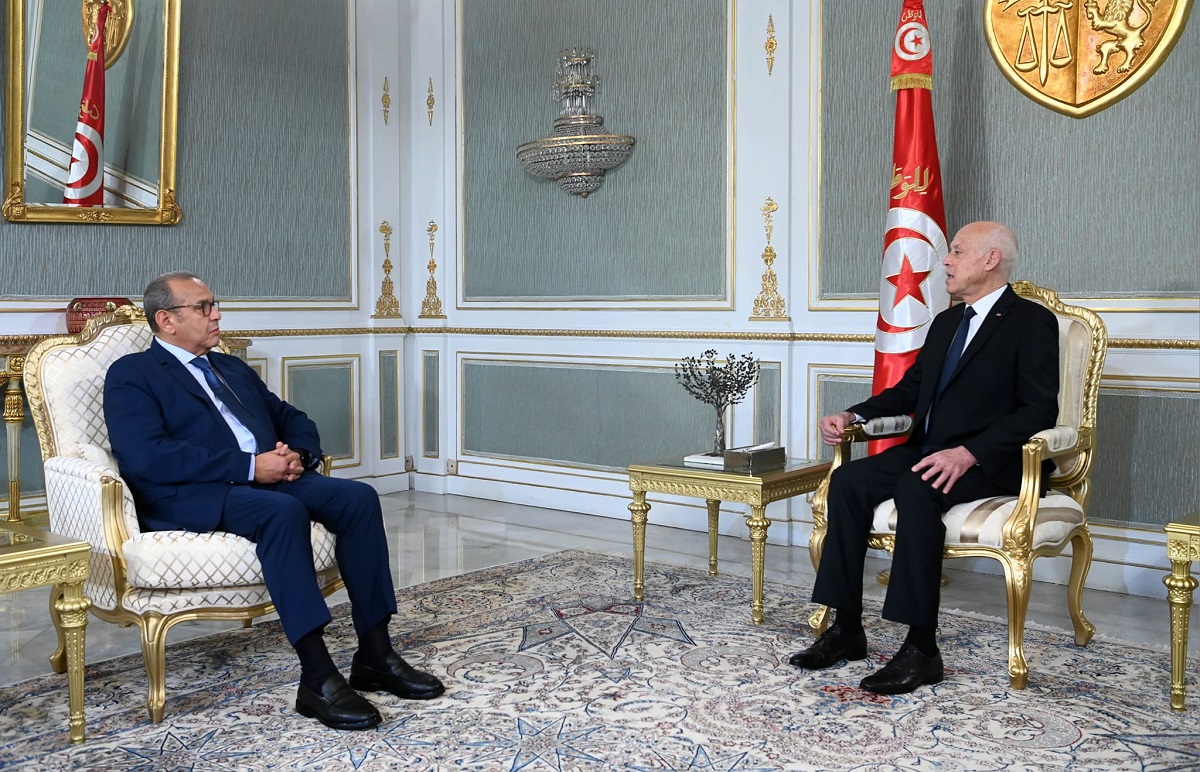
State-Capital Relations in Kais Saied’s Tunisia
-
Middle East & North Africa
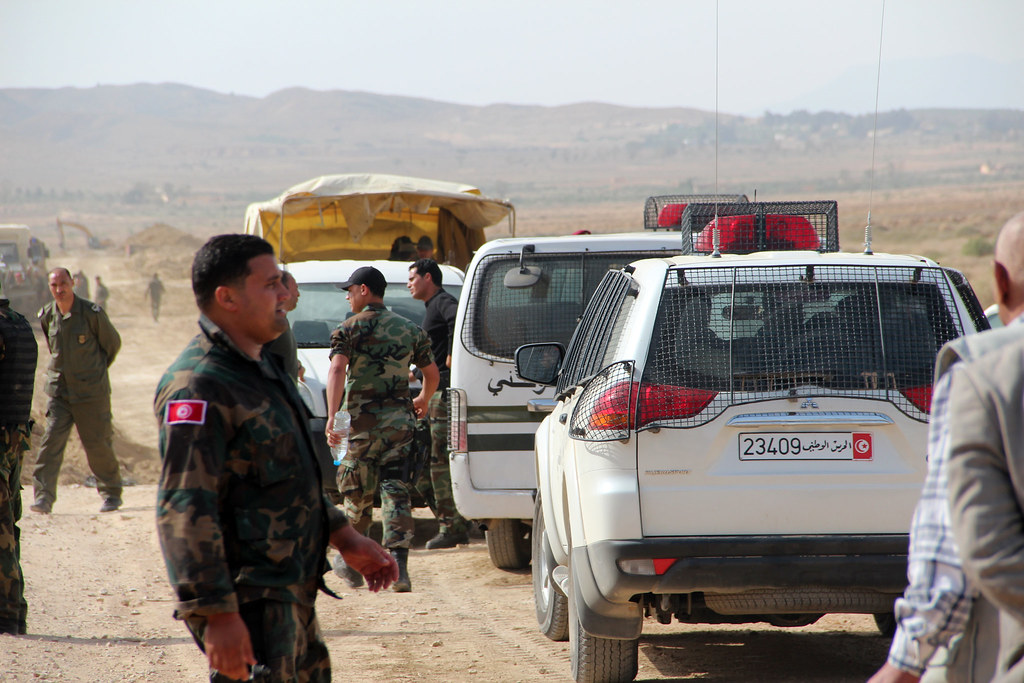
Tunisia’s pioneering black women: The fight for emancipation amidst racial backlash
-

Middle East & North Africa
Kaïs Saïed and Tunisia’s High Functionaries
-
Middle East & North Africa
An Italian Connection? Racism and Populism in Kais Saied’s Tunisia
-
Middle East & North Africa
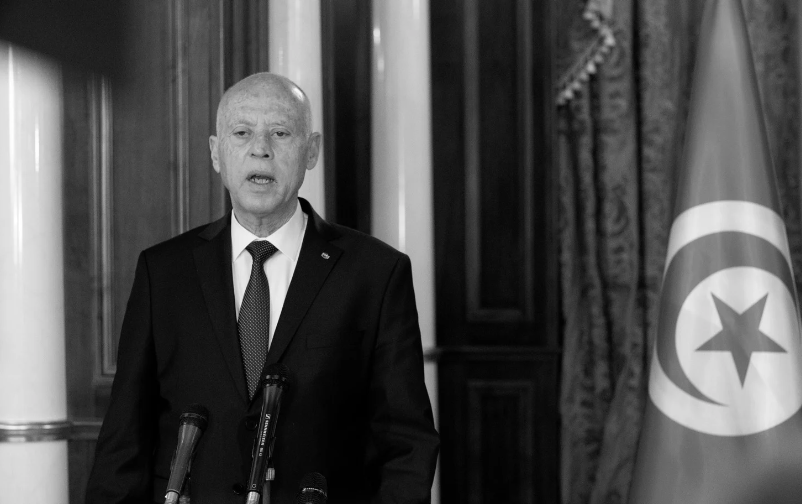
Kais Saied Today, What Tomorrow? Tunisia in the Age of Hyperpolitics
-
Middle East & North Africa
Tunisia’s Anti-NGO Bill Risks Suffocating Civil Society
-
Middle East & North Africa
The Regime of Kais Saied: Populist Authoritarianism by Default