MENA’s Gendered Political Economies
Prospects for the bottom billions are today mediated by the workings of global financial and monetary systems. Access to credit and ability to direct it toward socially, developmentally, and environmentally desirable ends are in large part determined by national currency strength and levels of financial subordination. The capacity to mobilize capital for investment, in turn, dictates where infrastructure is built, businesses thrive, and jobs are created.
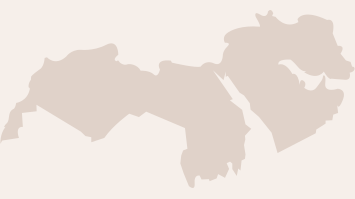
With a primary though not exclusive focus on the Middle East and North Africa, this project shines a light on finance and the domestic and international variables setting its course. With a heavy focus on research, we work to foreground the state-finance nexus in particular: Studying how configurations of monetary, fiscal, and financial institutions come together within national contexts, we generate novel insights into what Gabor and Braun have called macrofinancial regimes, and the ways in which they are shaping presents and futures.
Publications
-
Middle East & North Africa
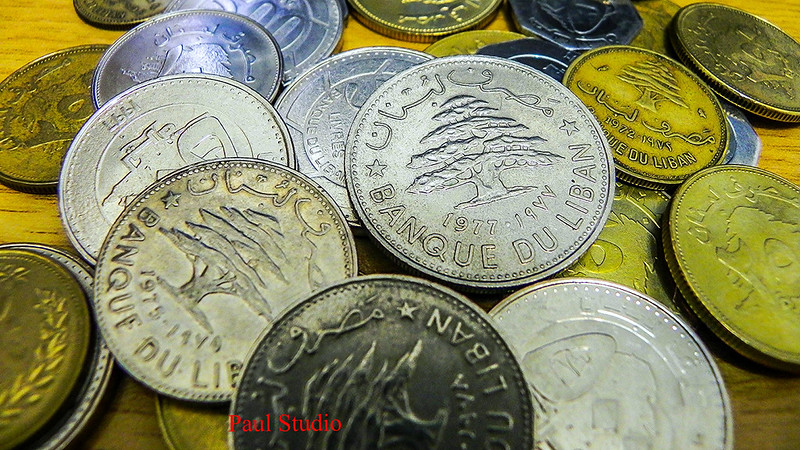
The Making of Sexual Hegemony in Lebanese Capitalism: The Debts Queer People Owe
-
Middle East & North Africa
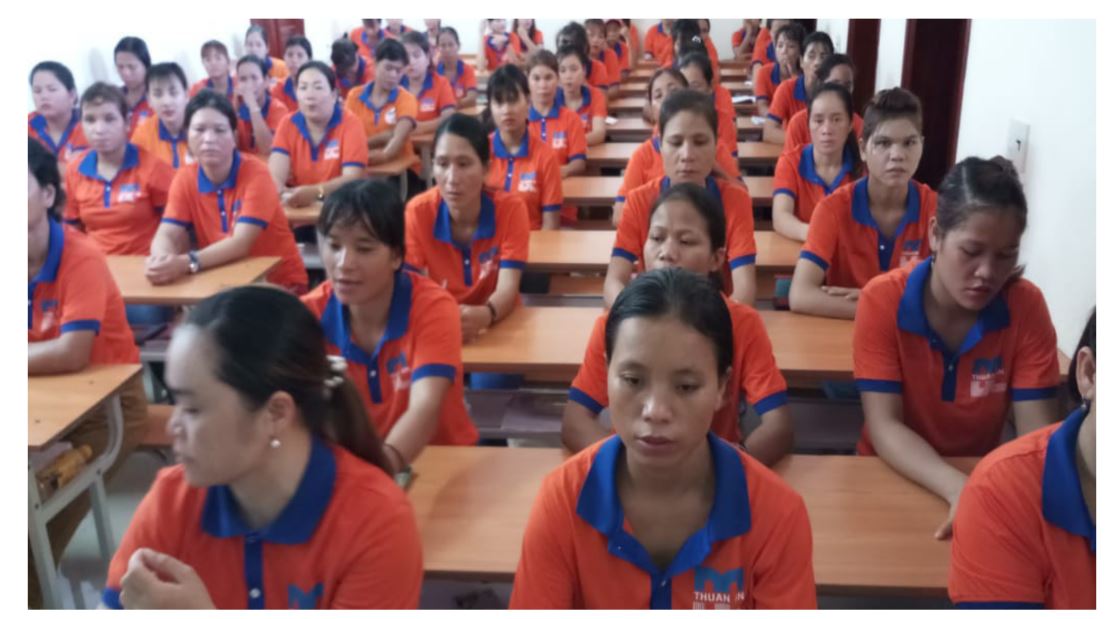
Systemic Violence and Social Reproduction through the Kafeel System: Vietnamese Domestic Workers in Saudi Arabia
-

Middle East & North Africa
Entrepreneurial Bodies, Disciplined Subjects: Race, Gender, and the Politics of Whitening in Tunisia
-
Middle East & North Africa
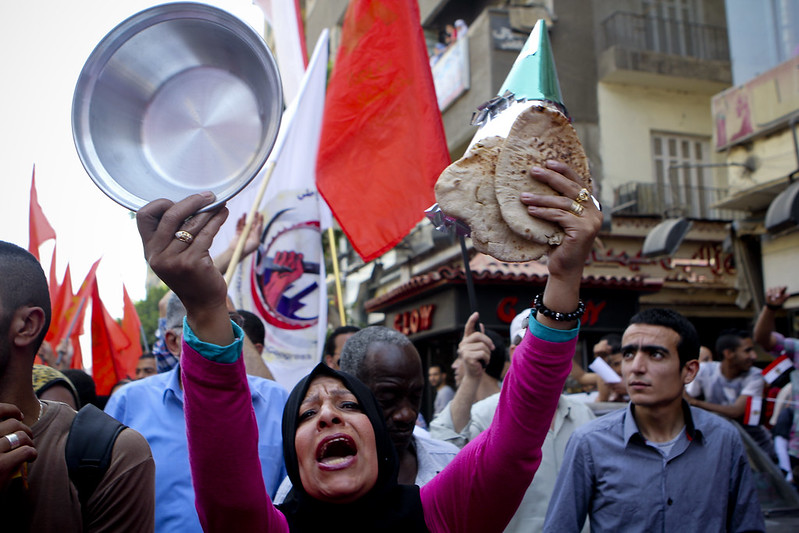
Austerity in Egypt: Gendered Effects and Disproportional Harm
-
Middle East & North Africa
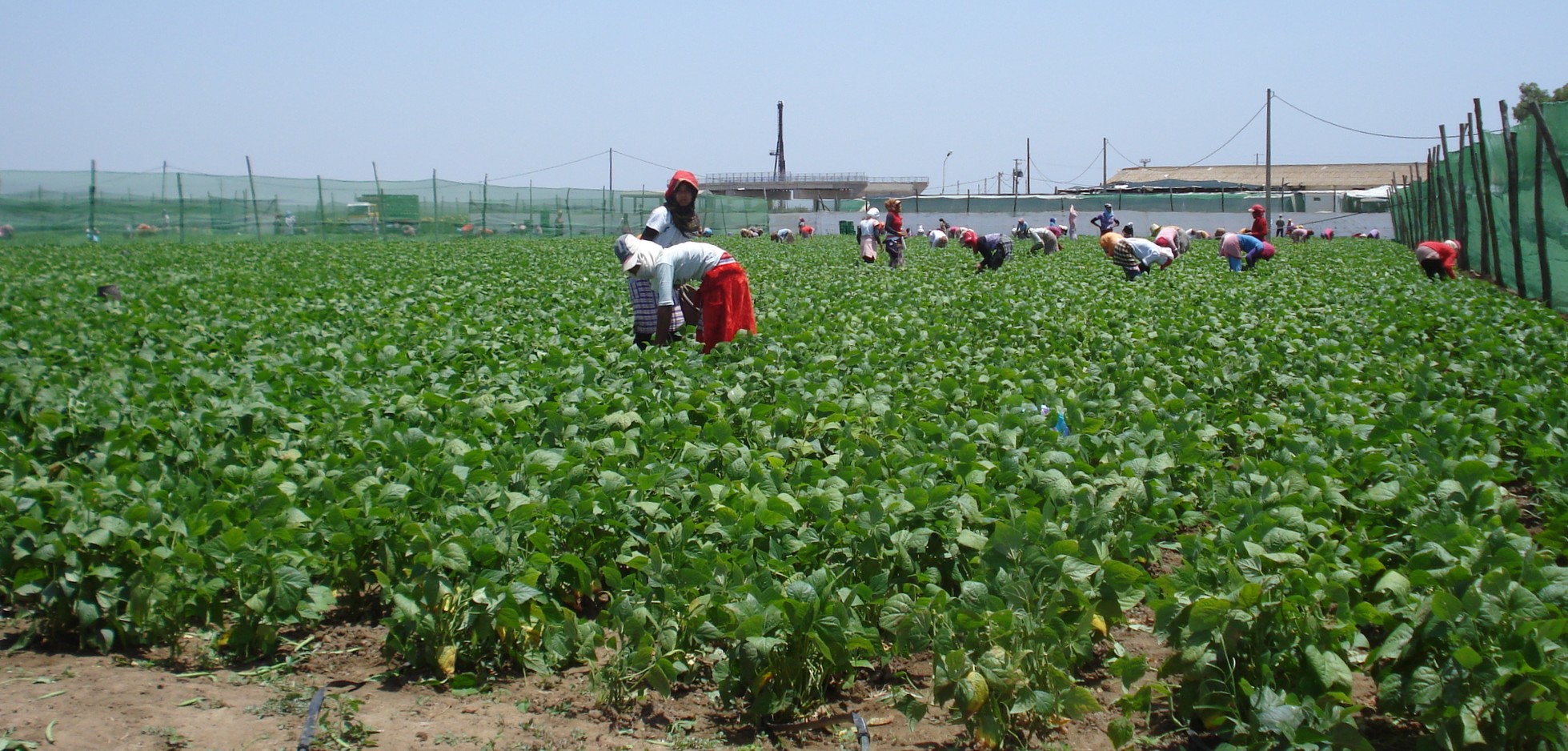
Invisible Hands: The Struggles of Female Agricultural Workers in Morocco
-
Middle East & North Africa
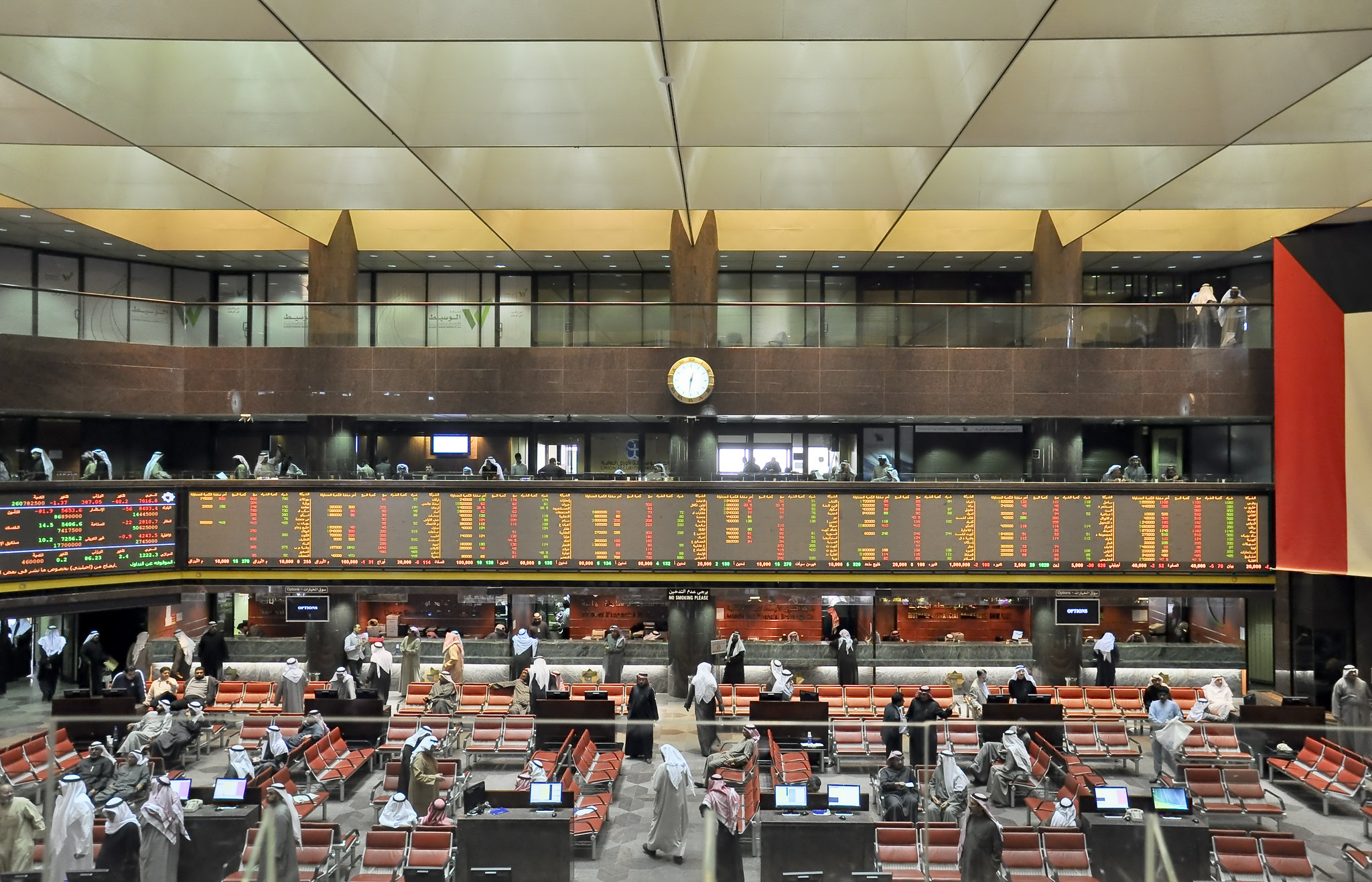
Social Reproduction and Citizenship Assets in Kuwait
-
Middle East & North Africa
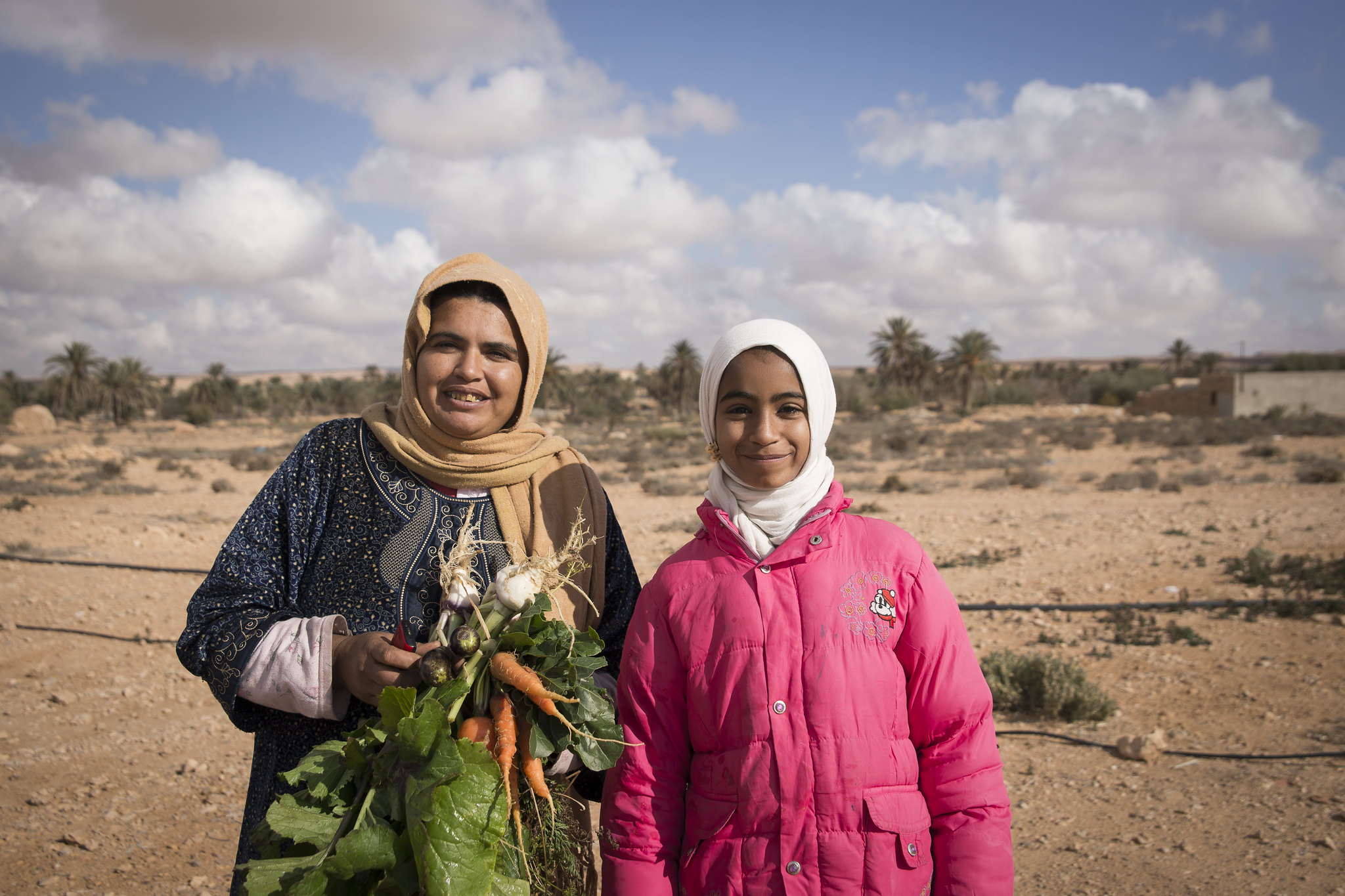
Social Reproduction in Tunisia: Gendered and Regional Dimensions
-
Middle East & North Africa
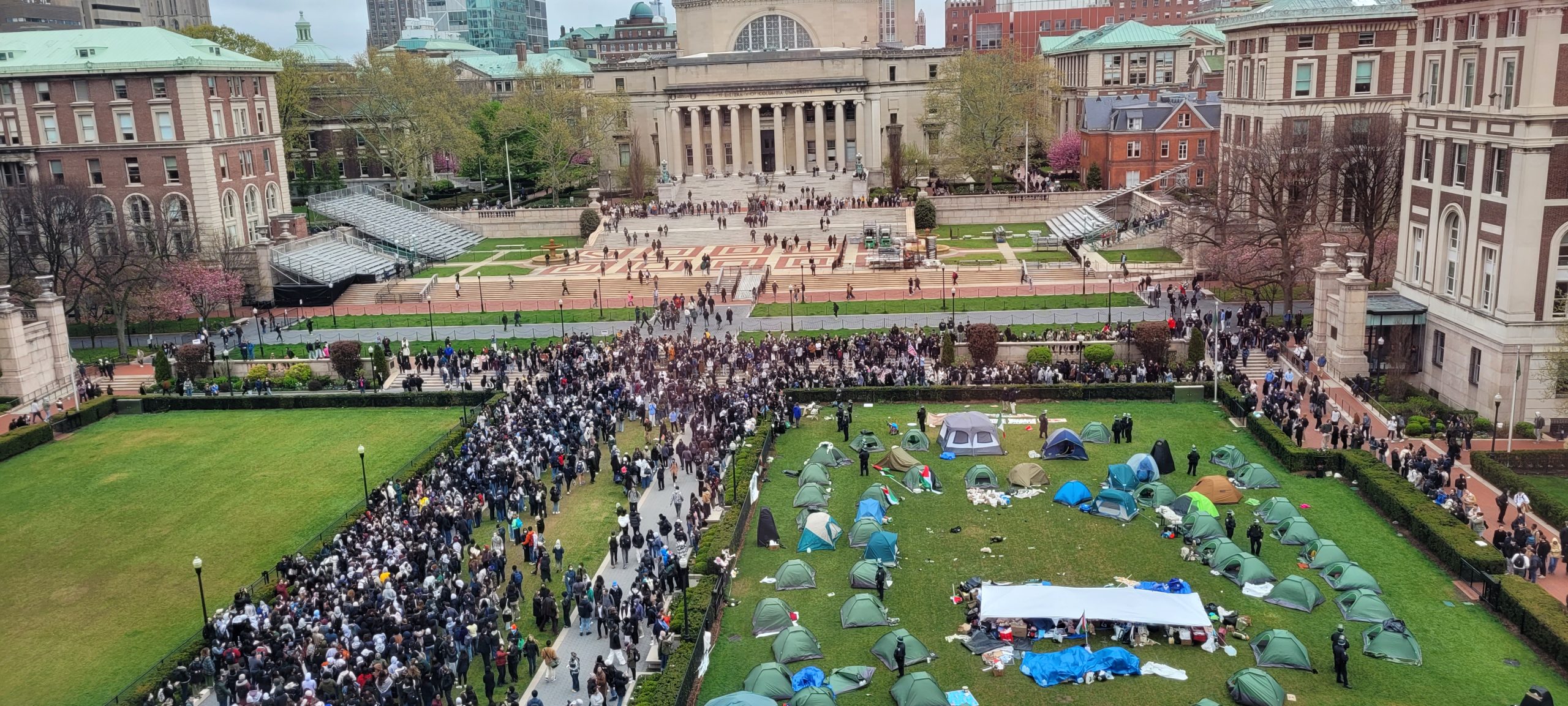
The Political Economy of Divestment Campaigns Across the Atlantic
-
Middle East & North Africa
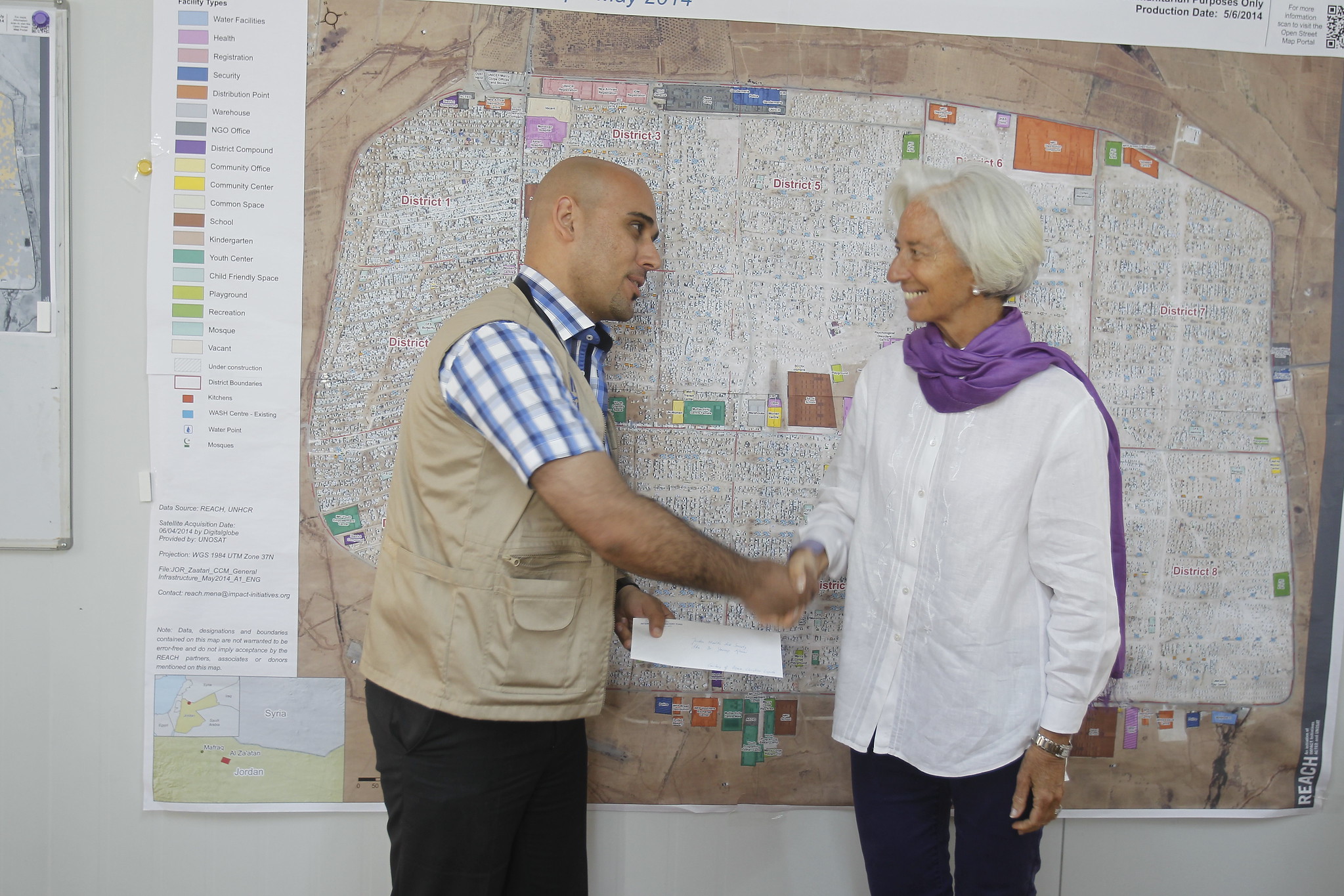
Reversing the Gaze: The Inefficacy of IMF Stabilization Policies in the WANA Region