
The Noria MENA program orients its work around a simple proposition: to build a better future, we need a better understanding of the present. Guided by this axiom, we produce grounded research to make sense of the crises and challenges that are today imperiling MENA societies. We aim to shift how problems are framed, which solutions are considered legitimate and whose voices are heard or excluded in these processes. Critically, our work is designed to circulate beyond academic circles so to intervene directly in public debate and policy production.
Our approach to knowledge production derives from a mix of qualitative and quantitative research methods. Depending on the subject matter, we proceed through combinations of long-stay fieldwork, deep probing of the historical archive, and the assembling of proprietary and open-source macro and microeconomic data. Mindful that neither causes nor effects respect national borders, our analytical method has also been built around multi-scalarity: we consider local, international, and transnational scales in engaging any given problematique. And to ensure that all the knowledge we produce remains anchored to the realities, needs, and aspirations of the places we study, our program partners with locally-based organizations within each national context that we operate in. This local anchoring is what makes us different as a research organisation: While many institutions analyze the MENA region from afar, Noria Research does so from the ground. This positioning facilitates our identification of blind spots in policy discourses. It also allows us to develop policy solutions oriented by local conditions and the restraints and opportunities they endow.
Research topics
Our research agenda is organized around four topics:
Government and Governance
The MENA region is home to a diversity of state forms, each of which structures local political practices and each of which is marked by a distinct (international) sociology and political economy. Through the study of government composition, policymaking, state-capital configurations, social relations, and the mechanisms through which political leaders interface with publics, our research unwinds why MENA governments do what they do and why they generate different levels of stability and popular legitimacy.
Conflict
Tragically, interstate and civil war have defined the contemporary MENA region as much as anything else. In locating conflict at the nexus of local dynamics and foreign intervention, our research works to pinpoint the causalities driving major episodes of violence. Through investigations into the economies of war, we also highlight the tangled sinews that bind parts far afield to the bloodletting of the MENA region.
Justice and the Climate Transition
The MENA region is the world’s most exposed to climatic changes brought on by carbon emissions. Due to fiscal and financial constraints, many governments in the region also rank amongst those least able to invest in climate resilience. Our work on this topic is dually targeted: (i) We work to increase the knowledge base on the political, economic, and social ecologies of issues like water scarcity, food sovereignty, pollution, and energy; (ii) We work to understand the international and domestic political economy of MENA government’s climate policies, with particular focuses on industrial policy, development finance, and infrastructure.
Development
With the Arab Spring, the MENA region’s difficulties in delivering the levels and kinds of economic growth needed to secure political stability came into sharp relief. Analysis and policy prescription thereafter nevertheless continued to flounder, with researchers and governors alike seldom addressing the factors most responsible for economic underperformance. Taking a radical approach–i.e. an approach which seeks to get to the roots of the issues at hand–our work brings the factors in question to the very fore of things. Traversing global and local processes from a political economy perspective, Program research shows what obstructs the realization of sustainable and socially just economies and identifies where reforms can be best pursued.
Our Team



Our fellows






Our projects
-

European Policy In Jordan
-
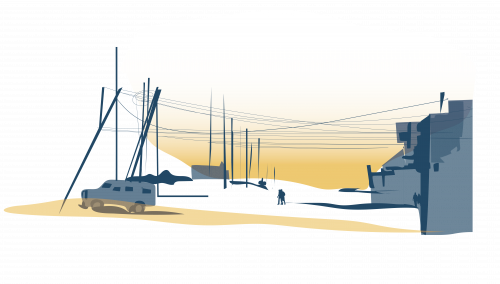
Facing the Islamic State
-

FlousStory : a podcast serie
-

Fragments of Libya
-
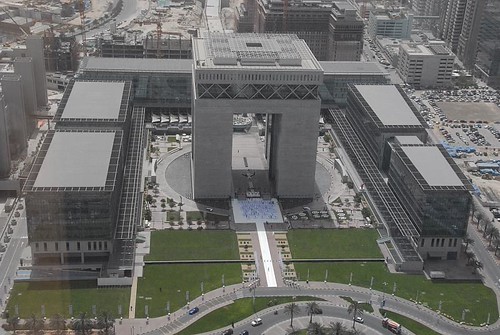
Macrofinance and the Global South
-
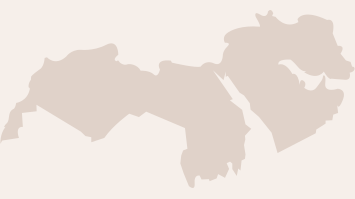
MENA in the Polycrisis Era
-
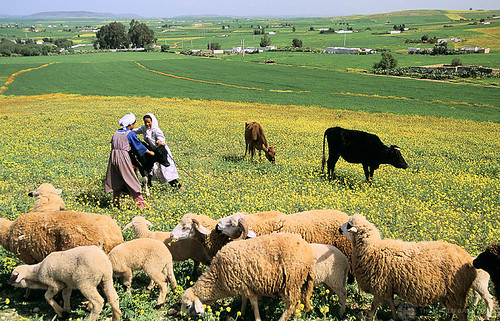
MENA’s Gendered Political Economies
-
Selling Authoritarianism
-
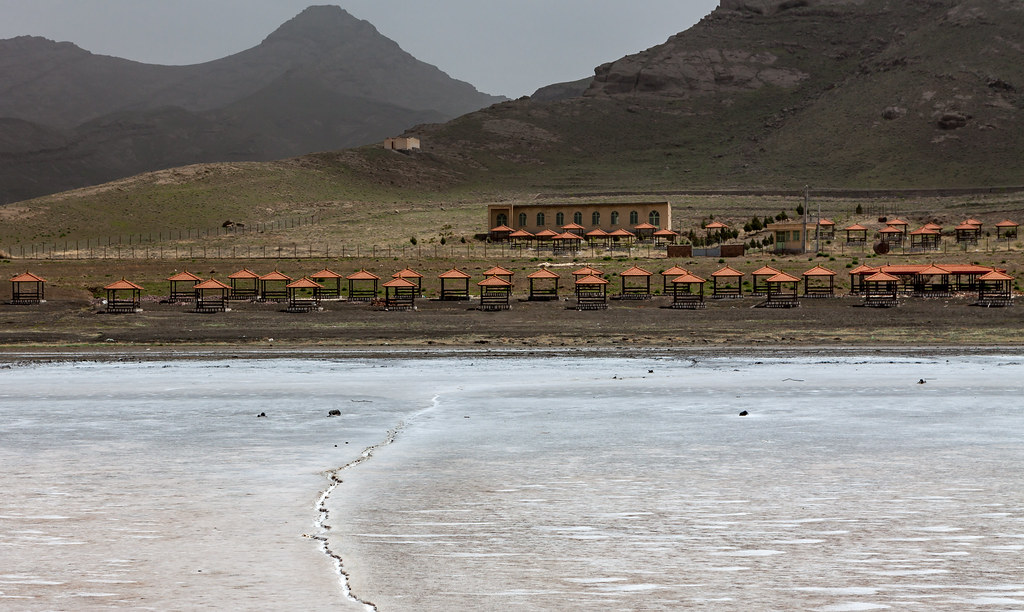
Social Justice and the Climate Transition
-
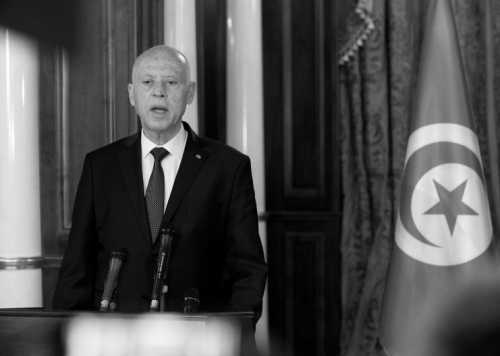
Tunisia in transition
-

Uprisings in Sudan